
We have found some really great articles that go into the environmental debate of real versus fake Christmas trees.
Here are some excerpts from The Irish Times & Green Matters
Is it better to get a real or fake tree for Christmas? The answer may seem obvious, when it comes to the environmental impact. But there are a few different issues to consider.
Let’s start with fake trees. The major downside is that they are made from plastic and are shipped in from far away, usually China, where most of them are produced. An artificial tree is more energy intensive to produce than a real one and is not recyclable, so will languish in landfill for years and years.
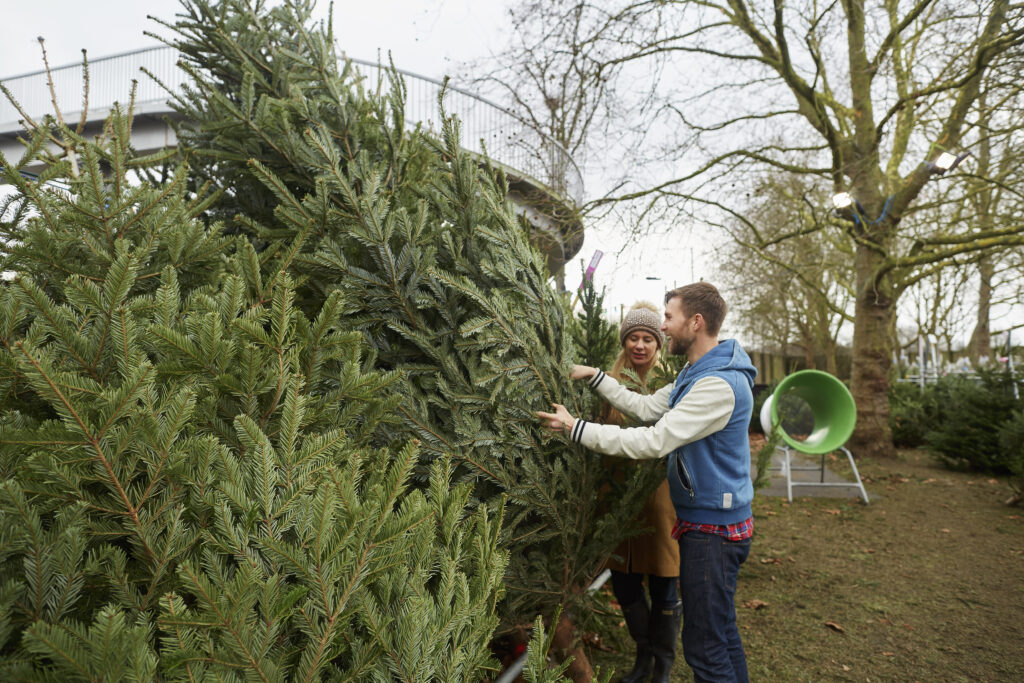
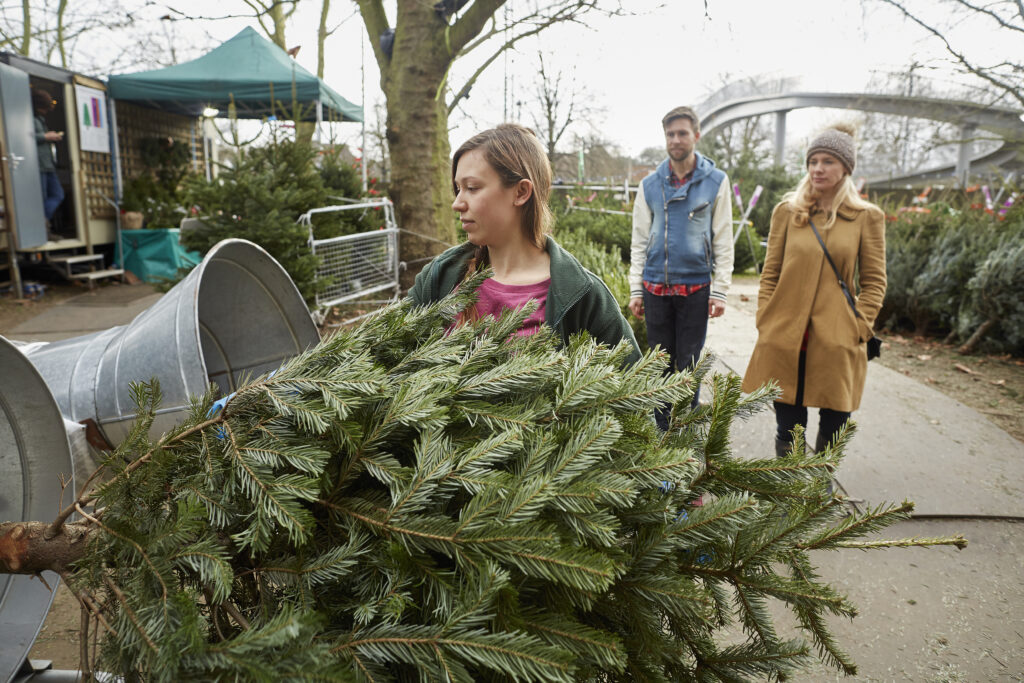
Real trees, on the other hand, can be bought locally and replanted or recycled. And while the idea of cutting down trees doesn’t seem very environmentally friendly, Christmas trees are like any other crop and are replaced once they are harvested. Nordmann Firs – which are the most popular Christmas tree – and other varieties are also doing the job of absorbing carbon from the air while they’re growing, which is hugely important in the fight against emissions.
My wife and I have this argument every year: should we get another real tree that’s only going to last the season, or bite the bullet and finally get a fake tree that will be around for years to come? For us, it’s a question of cost vs. tradition, and it’s pretty small potatoes in terms of our relationship and our finances, but for many eco-friendly people, this is a far more complex issue. The real vs. fake Christmas tree debate isn’t just about which tree looks or smells better, it’s about the lasting environmental impact of the Tannenbaum in question.


